Setting a new benchmark for inclusive event design: Autism Europe International Congress 2025
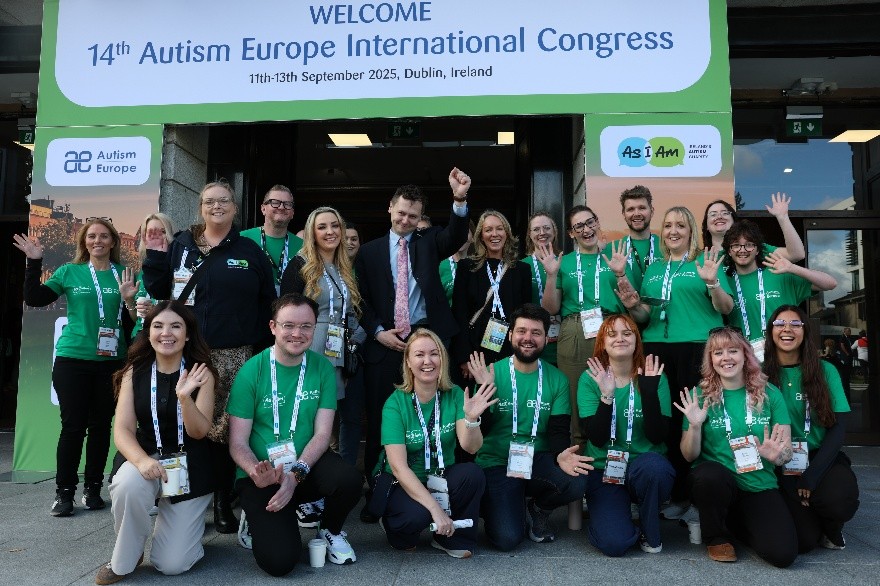
The 14th Autism Europe International Congress, held in Dublin from 11–13 September 2025, set a new benchmark for inclusive event design at scale. Hosted by AsIAm, Ireland’s national Autism charity and the first Autistic-led organisation to host the Congress, the event welcomed over 1,800 delegates from across Europe and beyond, including Autistic people, families, researchers, policymakers, professionals, and advocates.
Delivered in partnership with IAPCO member Keynote PCO, Fáilte Ireland, and the Royal Dublin Society (RDS), the Congress demonstrated how accessibility, dignity, and co-creation can be embedded into every stage of event planning and delivery – not as an add-on, but as a guiding principle.
Under the theme “Quality of Life – Research, Policy and Practice”, the Congress adopted a neuro-affirmative, human-rights-based approach, aligning scientific content with the lived priorities of the Autistic community.
Challenges
Delivering a major international congress with a large proportion of Autistic delegates required a fundamental rethinking of traditional event models.
Embedding inclusion at scale: Rather than applying accessibility retrospectively, the Congress needed to integrate inclusive design from the earliest planning stages – across physical spaces, communications, technology, staffing, and social interaction.
Reducing uncertainty and sensory overload: Pre-event research showed that many Autistic people experience conferences as unpredictable and overwhelming environments. Addressing sensory sensitivities, communication differences, and the need for clear, advance information was critical.
Balancing diverse delegate needs: The event needed to support a wide spectrum of access requirements – neurodivergent, physical, sensory, linguistic, and social – while maintaining a high-quality scientific programme.
Multi-stakeholder coordination: Keynote PCO worked alongside AsIAm, Autism Europe, Fáilte Ireland, RDS, Dublin City Council, volunteers, and community representatives, requiring strong coordination and shared ownership of outcomes.
Solutions
Keynote PCO collaborated closely with AsIAm and delivery partners to design and execute an event grounded in co-creation, lived experience, and proactive planning.
Inclusive design from inception: Autistic voices were embedded throughout planning and delivery, including an Autistic-led scientific committee and speaker lineup, supported by clear contributor guidelines to ensure Autism-affirming content across all sessions.
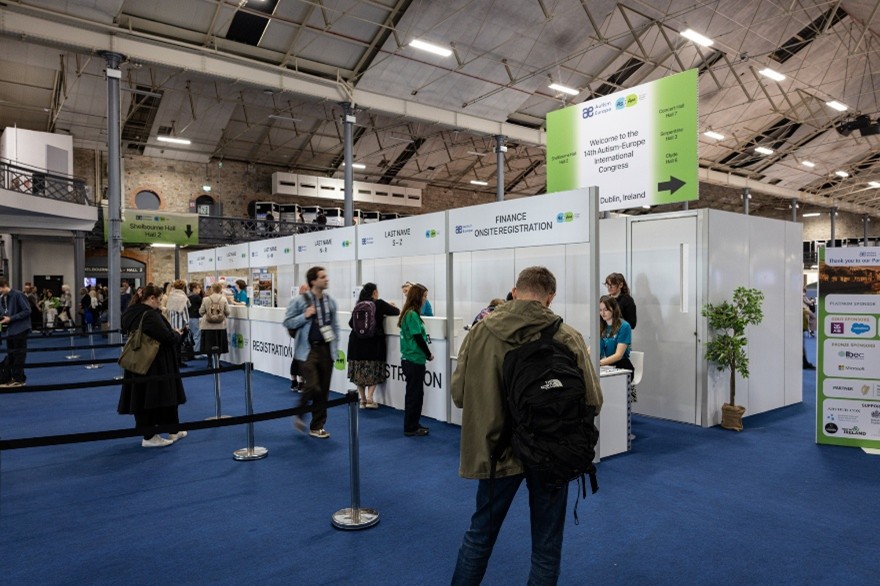
Pre-event certainty and communication: A detailed visual guide was developed, using plain language, icons, and images to familiarise delegates with the venue, programme flow, and available supports. A registration walkthrough video further reduced uncertainty.
Sensory-aware venue planning: A sensory walk-through of the RDS was conducted to identify potential challenges and inform adjustments to layouts, lighting, acoustics, and traffic flow.
Quiet and low-stimulation options: Delegates could opt for quiet registration, attend at quieter times, access multiple quiet spaces, and use outdoor areas for movement and decompression.
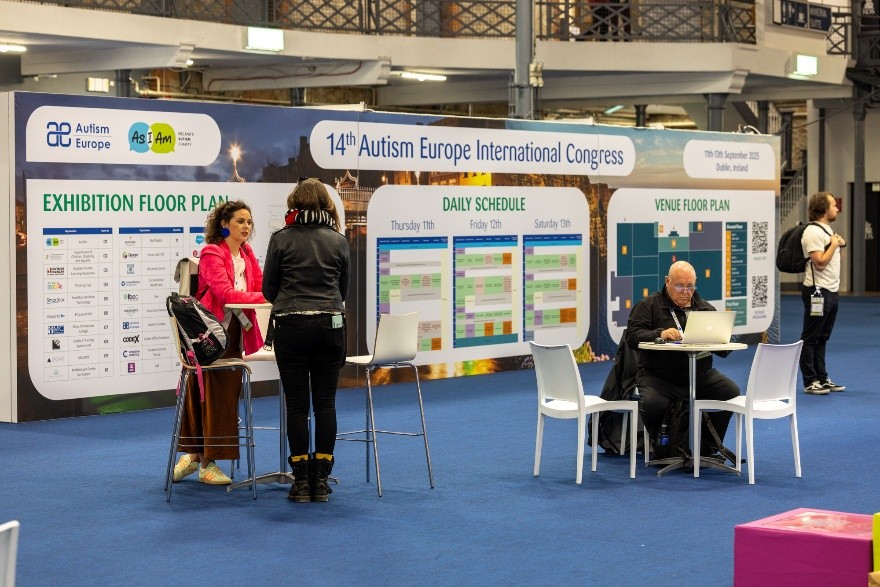
Wayfinding and digital inclusion: Clear signage, open floor plans, and an accessible website and app – actively used by 1,618 attendees – provided navigation support, accessibility tools, session information, and quiet space details.
Communication and interaction support: Delegates received communication preference stickers, helping to signal social interaction needs. Staff and volunteers were trained in inclusive communication, sensory awareness, and respectful assistance.
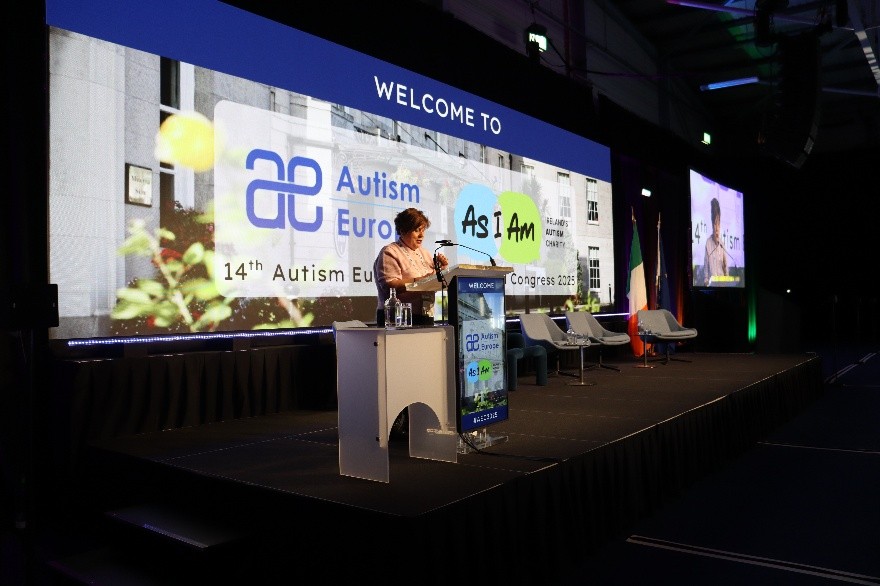
Language access and captioning: Real-time AI-powered translation and captioning were provided in over 60 languages, supporting non-native English speakers, neurodivergent delegates, and those participating from quieter spaces.
Catering and physical accessibility: Menus considered sensory sensitivities and accommodated dietary preferences, step-free access was available throughout the venue, carers attended free of charge, and assistance animals were welcomed.
Outcomes
The Autism Europe International Congress 2025 delivered measurable social, cultural, and sector-wide impact.
Delegate experience and participation: Post-event surveys showed a significant improvement in delegate confidence, comfort, and sense of inclusion. Many delegates reported a reduced need to mask Autistic traits and a greater ability to engage authentically.
Sector leadership and legacy: The Congress became a live demonstration of inclusive event delivery at scale, influencing best practice across Ireland’s events and tourism sector. Collaboration with Fáilte Ireland ensured learnings were documented and shared to support future accessible and inclusive events nationwide.
City and destination impact: The Congress supported Dublin’s ambition to become the world’s first Autism-friendly capital city, showcasing inclusive practice to an international audience and reinforcing Ireland’s leadership in accessible tourism.
For Keynote PCO, the Congress reshaped how accessibility is understood and delivered.
Rather than treating inclusion as a compliance exercise, the experience reinforced the importance of early engagement, lived experience, and continuous communication. The Congress demonstrated that inclusive design improves outcomes for all delegates – not only those with identified access needs.
AsIAm and Fáilte Ireland highlighted the Congress as a catalyst for broader cultural change, raising expectations around the right to participate fully in professional events and influencing future practice across the events ecosystem.
In doing so, the Congress set a new benchmark for how international professional events can be designed with dignity, accessibility, and inclusion at their core.